Managing personal finances has always been a challenge for many people. From monthly bills to unexpected purchases, keeping track of where your money goes can feel overwhelming. Fortunately, with modern tools and practical strategies, managing easy expenses has never been more achievable. This article explores actionable tips and digital tools that can help you track your spending effortlessly while improving your financial health.
Understanding the Concept of Easy Expenses
When we talk about easy expenses, we refer to everyday spending that is predictable and manageable. This can include groceries, transportation, utility bills, subscription services, and other recurring costs. By identifying which expenses fall under this category, you can better prioritize your budget and make more informed financial decisions. Understanding your easy expenses is crucial because it gives you a clear picture of your baseline spending habits, allowing for smarter savings and investments.
Unlike irregular or discretionary spending, easy expenses are those that occur frequently and can be controlled with minimal effort. Tracking them consistently reduces financial stress and helps you avoid overspending on non-essential items. By focusing on these types of expenses, individuals can create a stable financial foundation that supports long-term financial goals.
The Importance of Tracking Your Easy Expenses
Tracking easy expenses is essential for financial stability and growth. Without a clear understanding of your spending habits, it’s easy to lose control over your budget. Even small expenses, when accumulated over time, can significantly impact your financial health. By keeping a record of your daily spending, you can identify patterns, cut unnecessary costs, and allocate more money toward savings or investments.
Moreover, monitoring easy expenses helps in setting realistic financial goals. Whether it’s saving for a vacation, paying off debt, or building an emergency fund, knowing where your money goes allows for better planning. People who consistently track their spending are less likely to experience financial surprises and are more prepared to make informed choices.
Common Types of Easy Expenses
Understanding the different types of easy expenses can help in organizing your budget more effectively. Common categories include:
- Housing Costs – rent, mortgage, property taxes, and home insurance.
- Utilities – electricity, water, gas, internet, and phone bills.
- Groceries – regular food and household supplies.
- Transportation – fuel, car maintenance, public transportation, and parking fees.
- Subscriptions and Memberships – streaming services, gym memberships, and software subscriptions.
By categorizing expenses, you can identify areas where costs can be reduced or optimized. This structured approach makes tracking more straightforward and helps prevent unnecessary overspending.
Tips for Simplifying Your Expense Tracking
Tracking easy expenses doesn’t have to be complicated. Here are some practical tips to make the process effortless:
- Keep Receipts and Records – Save receipts for all purchases or use a digital scanner to store records electronically.
- Set a Monthly Budget – Allocate specific amounts for each category of easy expenses to maintain financial discipline.
- Automate Payments – Automating recurring payments ensures that bills are paid on time, reducing the risk of late fees.
- Use Cash Envelopes – For discretionary spending, using cash can help control how much you spend in each category.
- Review Monthly Statements – Regularly review bank statements and credit card bills to monitor spending habits.
By implementing these strategies, tracking expenses becomes a routine rather than a daunting task.
Best Tools to Track Easy Expenses
Digital tools can make managing easy expenses more efficient and less time-consuming. Some popular options include:
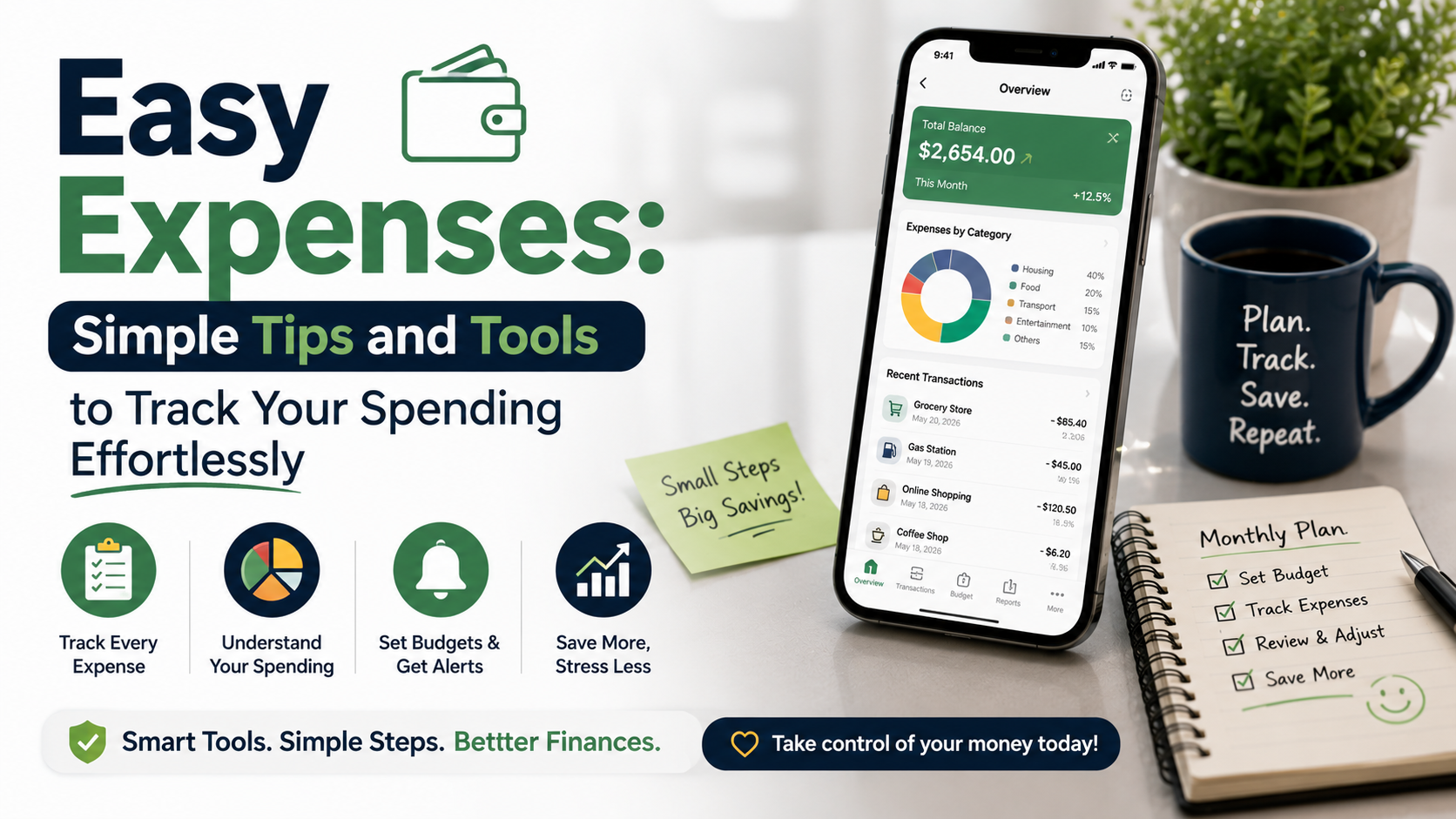
- Budgeting Apps – Applications like Mint, YNAB (You Need A Budget), and PocketGuard allow you to track spending, set budgets, and receive alerts for overspending.
- Spreadsheets – Tools like Microsoft Excel or Google Sheets are excellent for those who prefer a manual yet customizable approach to tracking expenses.
- Banking Apps – Many banks now offer built-in budgeting features that categorize spending and provide insights into financial habits.
- Expense Trackers – Dedicated apps such as Expensify and Wally help track receipts, generate reports, and organize spending by category.
Choosing the right tool depends on your preferences and lifestyle. The key is consistency; whichever tool you pick, using it regularly will yield the best results.
Automating Your Easy Expenses
Automation is one of the most effective ways to simplify tracking easy expenses. By setting up automatic payments for bills and recurring costs, you can reduce the mental load of financial management. Automation helps ensure that essential expenses like utilities, rent, and loan payments are never missed, avoiding late fees and penalties.
Moreover, some apps can automatically categorize transactions, making it easier to visualize where your money goes each month. This not only saves time but also allows for better decision-making when planning for savings or discretionary spending.
Reducing Unnecessary Easy Expenses
Even easy expenses can add up if not monitored carefully. Regularly reviewing your spending habits can help identify areas where costs can be reduced. For instance, consider cutting down on unused subscriptions, shopping for cheaper utility providers, or cooking at home instead of dining out. Small changes, when applied consistently, can lead to significant savings over time.
Another effective strategy is to prioritize needs over wants. By focusing on essential easy expenses first, you can allocate remaining funds to non-essential categories without jeopardizing your budget. This approach encourages disciplined spending and promotes long-term financial health.
How to Use Your Expense Data Effectively
Once you have tracked your easy expenses, the next step is to use the data to improve your financial planning. Analyze spending trends to identify areas for improvement. For example, if you notice that your transportation costs are higher than expected, you might explore alternative commuting options or carpooling.
Additionally, using expense data can help in setting achievable financial goals. Whether it’s saving for a down payment, a vacation, or retirement, understanding your current spending habits is essential for creating a realistic and actionable plan. Over time, the insights gained from tracking easy expenses can lead to smarter financial decisions and better money management.
Benefits of Mastering Easy Expenses
Mastering easy expenses comes with numerous benefits:
- Financial Awareness – Understanding where your money goes creates awareness and encourages mindful spending.
- Reduced Financial Stress – Knowing that your essential expenses are under control reduces anxiety related to money.
- Better Savings – By cutting unnecessary costs, more money can be allocated to savings or investments.
- Improved Credit Management – Timely payments and proper budgeting positively impact your credit score.
- Enhanced Life Planning – Proper expense tracking allows for more flexibility in achieving life goals, from vacations to home ownership.
These benefits highlight why tracking easy expenses is not just a financial task but an essential part of overall life management.
Conclusion: Making Easy Expenses Effortless
Managing easy expenses doesn’t have to be complicated or stressful. By understanding what counts as an easy expense, tracking it consistently, using the right tools, and automating payments, anyone can gain control over their finances. The key is to develop a system that is easy to follow and sustainable in the long term.
With the strategies outlined in this article, you can transform expense tracking from a tedious chore into an empowering habit. By mastering easy expenses, you not only gain financial control but also build a foundation for long-term financial success. Start today, and make your money work smarter, not harder.